

Python for data and AI
Python continues to be a dominant force in the programming world, and its popularity shows no signs of waning. It’s a remarkably versatile language used extensively in data science, machine learning, web development, and scripting. Frameworks like Django and Flask make building web applications relatively straightforward, while libraries like NumPy and Pandas are essential tools for data analysis and manipulation.
Python is easy to read because the syntax is sparse. Beginners start here, but the language handles heavy lifting in AI and scientific computing through libraries like NumPy. If you are starting out, look for a fundamentals course that covers data structures early.
Many major companies rely heavily on Python. Google uses it for a variety of applications, including search algorithms and infrastructure management. Netflix leverages Python for data analysis, machine learning, and content delivery. Its widespread adoption translates into a consistently high demand for Python developers across various industries. It’s a language that offers both accessibility and scalability, making it a smart investment for any aspiring programmer.

JavaScript for the web
JavaScript remains the undisputed king of web development. It’s essential for creating interactive and dynamic websites, and its reach extends far beyond the browser. With Node.js, JavaScript can also be used for back-end development, allowing developers to build full-stack applications using a single language.
The JavaScript ecosystem is incredibly rich and diverse, with popular frameworks like React, Angular, and Vue.js offering different approaches to building user interfaces. These frameworks provide structure and organization, making it easier to manage complex web applications. The language itself is constantly evolving, with ES6+ introducing modern features that improve code readability and maintainability.
JavaScript jobs are everywhere. You can work on the front end or use Node.js to handle the server. Most teams expect you to know at least one major framework like React or Vue to be productive.
- React is the standard for building user interfaces.
- Angular works well for complex, large-scale applications.
- Vue.js is a lighter alternative that is easier to pick up quickly.
Java in the enterprise
Java has been a cornerstone of enterprise application development for decades, and its enduring presence shows no signs of disappearing. It’s known for its platform independence – the "Write Once, Run Anywhere" principle – which allows Java applications to run on a variety of operating systems and devices. This makes it a popular choice for large-scale systems and applications that need to be highly portable.
The Spring Framework is a key technology in the Java ecosystem, providing a comprehensive set of tools and features for building robust and scalable enterprise applications. Java is also the primary language for Android development, making it essential for anyone interested in creating mobile apps for the Android platform.
While Java may have a steeper learning curve than some other languages like Python, it offers strong job security and excellent career prospects. Its stability and maturity make it a reliable choice for mission-critical applications, and the demand for experienced Java developers remains consistently high.
Mastering JavaScript: Essential Books for Aspiring Developers
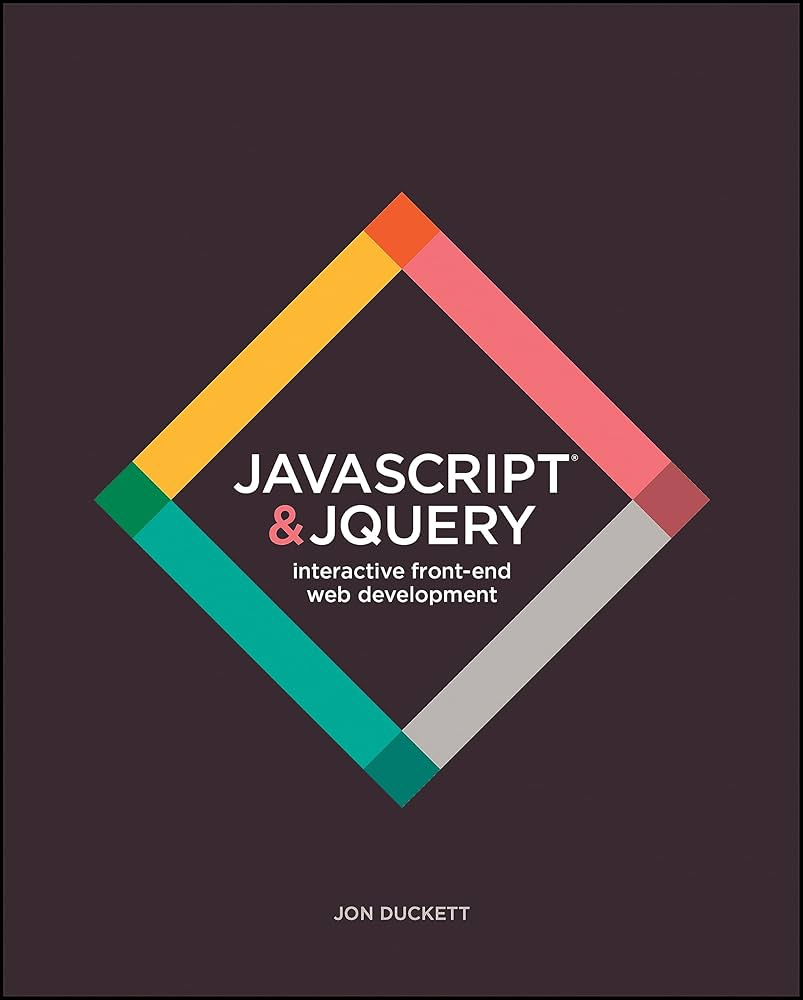
Covers fundamental JavaScript concepts · Introduces jQuery for enhanced interactivity · Focuses on practical front-end development techniques
This book provides a solid foundation in JavaScript and its essential library, jQuery, enabling learners to build dynamic and interactive user interfaces for web applications.
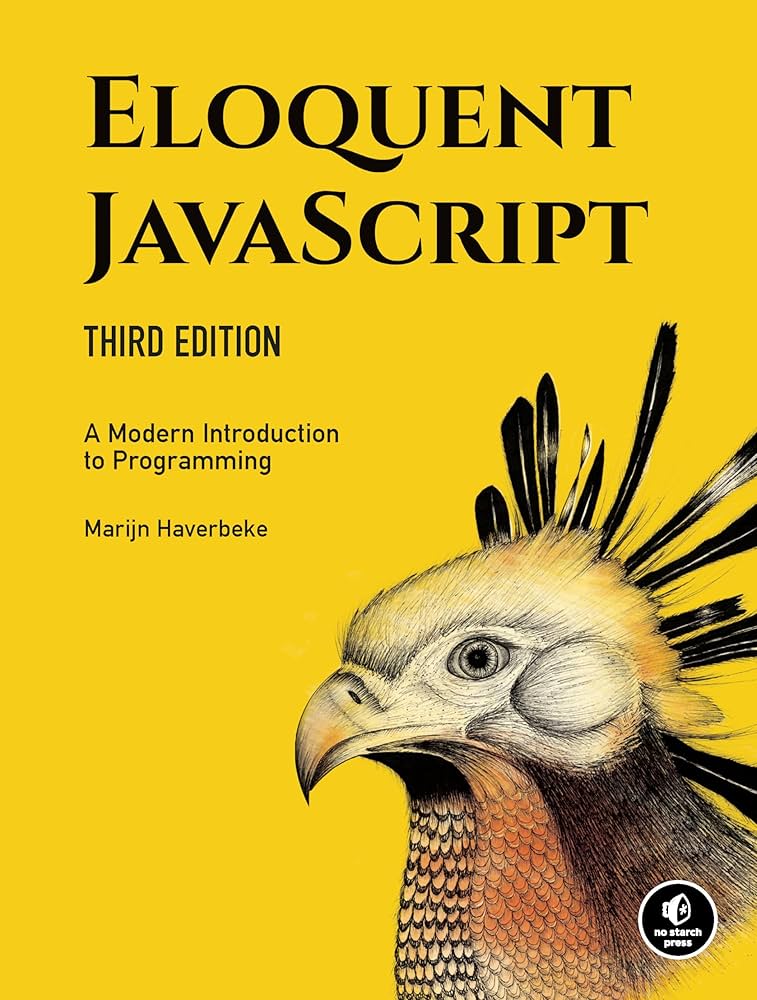
Explores core JavaScript principles · Covers modern JavaScript features and best practices · Includes practical exercises and projects
Eloquent JavaScript offers a deep dive into the language, guiding readers through its intricacies with clear explanations and hands-on projects to solidify understanding.

Part of a comprehensive JavaScript learning series · Focuses on foundational concepts and common pitfalls · Aims to build a strong understanding of JavaScript's core mechanics
This introductory volume from the 'You Don't Know JS Yet' series demystifies JavaScript's fundamental workings, ensuring a robust understanding of the language's behavior.
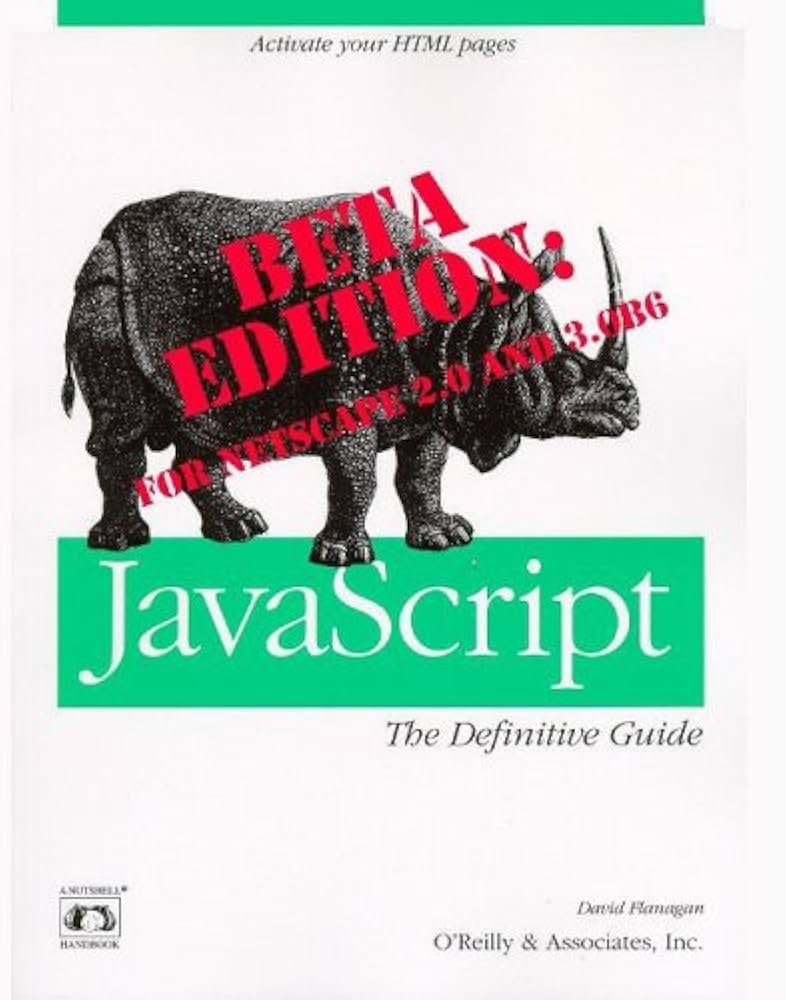
Comprehensive reference for JavaScript · Covers the latest ECMAScript standards · Explains core concepts and advanced topics in detail
Considered a definitive guide, this book offers an exhaustive exploration of JavaScript, serving as an invaluable resource for developers seeking mastery of the language.
As an Amazon Associate I earn from qualifying purchases. Prices may vary.
C#: Microsoft's Powerful Option
C# is Microsoft’s flagship programming language, and it plays a central role in the .NET ecosystem. It’s widely used for developing Windows applications, web applications using ASP.NET, and games using the Unity game engine. C# shares many similarities with Java, making it relatively easy to learn for developers already familiar with object-oriented programming.
The .NET framework provides a rich set of libraries and tools for building a wide range of applications. C# is also gaining traction in cross-platform development with .NET Core, allowing developers to build applications that run on Windows, macOS, and Linux. This versatility is expanding its appeal beyond the traditional Microsoft environment.
For developers already invested in the Microsoft ecosystem, C# is a natural choice. Its integration with Visual Studio and other Microsoft technologies makes it a powerful and efficient development platform. The growing use of .NET Core also positions C# as a viable option for cross-platform projects.
Go for cloud infrastructure
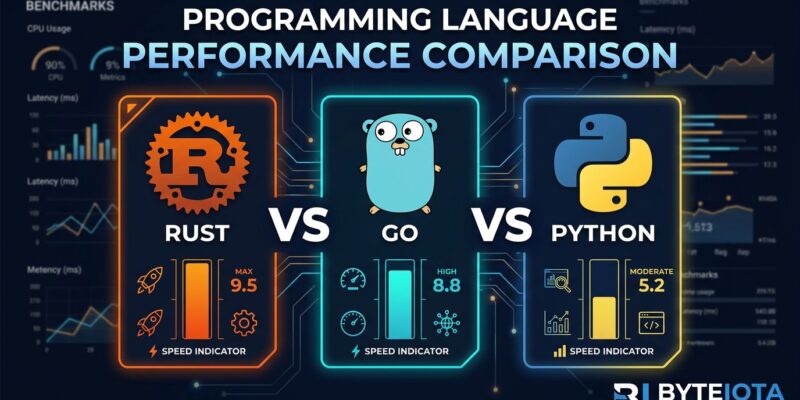
Go, also known as Golang, is a relatively new language developed by Google.) It’s designed for building scalable and efficient systems, particularly those involving cloud infrastructure and network programming. Go’s simplicity and concurrency features make it well-suited for handling large numbers of concurrent requests.
Go is a key component of many popular cloud technologies, including Docker and Kubernetes. Its performance and efficiency make it an excellent choice for building microservices and other distributed systems. The language’s focus on simplicity also makes it easier to learn and maintain than some other systems programming languages.
If you're interested in DevOps, cloud computing, or systems programming, Go is a language worth considering. Its growing adoption in these areas suggests a strong future demand for Go developers. It’s a language that prioritizes performance and scalability, making it ideal for building the next generation of cloud-native applications.
Swift: Apple's Ecosystem Champion
Swift is Apple’s modern programming language, designed to replace Objective-C for developing applications across the Apple ecosystem. This includes iOS, macOS, watchOS, and tvOS. Swift is known for its safety features, performance benefits, and clean syntax.
Apple has invested heavily in Swift, making it the preferred language for developing applications for its platforms. Swift offers features like automatic memory management and strong typing, which help prevent common programming errors. Its performance is comparable to Objective-C, but with a more modern and intuitive syntax.
The demand for Swift developers is directly tied to the popularity of Apple products. If you’re interested in building apps for iPhones, iPads, or Macs, learning Swift is essential. While it’s a more niche language than some others on this list, it offers excellent career opportunities within the Apple ecosystem.
Go: A Deep Dive into Concurrency and Cloud Native Development
Go, often referred to as Golang, is rapidly gaining prominence in the tech industry, particularly for cloud infrastructure and backend systems. This quiz will test your understanding of Go's core features and its strengths. Answer carefully – these questions reflect the skills employers are looking for in 2026!
Rust: Security and Performance Focused
Rust is a systems programming language that focuses on memory safety and performance. It’s designed to prevent common programming errors like buffer overflows and data races, making it an excellent choice for building highly reliable and secure software. While it has a steep learning curve, its benefits are significant.
Rust is gaining traction in areas where performance and security are critical, such as systems programming, embedded systems, and web assembly. Its ability to compile to highly efficient machine code makes it suitable for performance-critical applications. The language’s focus on ownership and borrowing ensures memory safety without sacrificing performance.
If you’re a developer who prioritizes control, efficiency, and security, Rust is a language worth exploring. While it may be challenging to learn, its potential for building highly reliable and performant software is immense. It's a language increasingly favored by those working in areas where stability and security are paramount.
No comments yet. Be the first to share your thoughts!