

Why 2026 changes the tech stack
The landscape of network management and cybersecurity is shifting from reactive patching to proactive, code-driven defense. In 2026, the traditional boundary between system administration and software development has dissolved. Professionals now need to treat infrastructure as code, leveraging Linux distributions that support rapid containerization and automated security auditing.
This shift is driven by the increasing complexity of distributed systems. Manual configuration is no longer scalable. Instead, teams rely on lightweight, modular Linux distros like Alpine or Debian-based minimal installs to reduce attack surfaces. These environments are ideal for running automated security tools that scan for vulnerabilities in real-time, ensuring that compliance and security are baked into the deployment pipeline rather than added as an afterthought.
Programming languages are also adapting to this new reality. Python remains the standard for scripting automation and security analysis, while Go has become the language of choice for high-performance network tools and cloud-native security agents. Understanding these languages allows engineers to write custom scripts that integrate seamlessly with modern DevSecOps workflows, bridging the gap between development speed and security rigor.
Top Linux distros for network engineers
Network engineers and cybersecurity professionals need operating systems that balance stability with cutting-edge tooling. In 2026, the choice of Linux distribution often dictates how efficiently you can manage infrastructure, run penetration tests, or develop network automation scripts. The following distributions are selected for their specific strengths in these domains, ranging from beginner-friendly interfaces to hardened security environments.
Kali Linux: The Security Standard
Kali Linux remains the industry standard for penetration testing and security auditing. Preloaded with over 600 security tools, it is designed for professionals who need immediate access to advanced exploitation and analysis frameworks. Its rolling release model ensures that security tools are always up to date, which is critical in a landscape where vulnerabilities are discovered daily. While primarily used in virtual machines or live USBs for testing, its robust community support makes it a staple in any security engineer’s toolkit.
Ubuntu: The Versatile Workhorse
Ubuntu offers the best balance between ease of use and professional capability, making it ideal for network engineers who need a reliable daily driver. Its extensive documentation and large community mean that troubleshooting network configuration issues or setting up automation scripts is straightforward. With native support for Python and Ansible, Ubuntu serves as an excellent platform for network automation and infrastructure-as-code workflows. Its LTS (Long Term Support) releases provide the stability required for production server environments.
Parrot OS: The Lightweight Alternative
Parrot OS is a lightweight alternative to Kali Linux, designed with security and privacy in mind but optimized for older hardware. It features a more desktop-friendly interface out of the box, making it suitable for engineers who prefer a smoother daily experience without sacrificing security tools. Its MATE desktop environment is resource-efficient, allowing you to run multiple virtual machines and network analysis tools simultaneously without system lag. This makes it particularly useful for field work or portable security auditing.
Debian: The Stable Foundation
Debian is known for its rock-solid stability and strict adherence to free software principles. It serves as the foundation for many other distributions, including Ubuntu and Kali, making it a reliable choice for server environments where uptime is paramount. Network engineers often use Debian for hosting critical network services due to its predictable update cycle and minimal bloat. Its conservative approach to software versions ensures that systems remain stable over long periods, reducing the risk of unexpected disruptions.
Fedora: The Cutting-Edge Developer Choice
Fedora is often the first distribution to incorporate new Linux kernel features and technologies, making it ideal for developers and engineers who want to stay on the bleeding edge. Its strong focus on innovation and open-source principles makes it a favorite for those involved in network protocol development or containerization technologies like Podman. With close ties to Red Hat Enterprise Linux, Fedora provides a preview of enterprise-grade features, allowing engineers to test new tools in a production-like environment.
To support your learning and lab setup, having the right hardware can significantly enhance your productivity. Below are some recommended products for building a robust home lab environment.


As an Amazon Associate, we may earn from qualifying purchases.
Essential cybersecurity tips for 2026
Network security in 2026 is no longer about building a higher wall; it is about verifying every single request. Zero-trust architecture is no longer optional; it is the baseline for modern network management. This means you must treat every user, device, and data packet as a potential threat, regardless of its location inside or outside your perimeter.
To implement this effectively, you need hardware that supports secure boot and hardware-backed encryption. Look for devices with TPM 2.0 chips and dedicated security processors. These components ensure that your operating system hasn't been tampered with before it even loads. Without this foundation, software-level security measures are often too late to stop sophisticated attacks.
Secure Remote Access and Authentication
Remote work remains the primary attack vector for many organizations. To protect your network, you must enforce multi-factor authentication (MFA) everywhere, especially for remote access tools. Passwords alone are insufficient against modern phishing and credential-stuffing attacks. Consider using hardware security keys or biometric authenticators for critical administrative accounts.
When selecting remote access solutions, prioritize those that support Zero Trust Network Access (ZTNA). Unlike traditional VPNs that grant broad network access upon login, ZTNA grants access only to specific applications or resources. This limits the lateral movement an attacker can achieve if they compromise a single endpoint.
Network Segmentation and Monitoring
Dividing your network into smaller, isolated segments prevents a breach in one area from spreading to the entire system. For example, separate your guest Wi-Fi from your internal corporate network. Isolate IoT devices, such as smart thermostats or cameras, on their own VLAN. This containment strategy ensures that even if a low-security device is compromised, the attacker cannot reach your sensitive data or critical servers.
Continuous monitoring is equally important. Use network traffic analysis tools to detect anomalies in real-time. Automated alerts for unusual data transfers or unexpected login times can help you respond to threats before they escalate. Regular audits of network logs and access permissions keep your security posture sharp and responsive.
Recommended Security Hardware
Investing in reliable security hardware is a tangible step toward protecting your digital assets. The following products are widely recognized for their robust security features and compatibility with modern operating systems.


As an Amazon Associate, we may earn from qualifying purchases.
By combining zero-trust principles with the right hardware and network segmentation, you create a resilient defense that adapts to evolving threats. Stay vigilant, keep your systems updated, and always verify before you trust.
Programming languages for network management
Automation is the backbone of modern infrastructure, and choosing the right language for network management can mean the difference between a streamlined workflow and a maintenance nightmare. In 2026, the landscape is dominated by three primary tools: Python, Go, and Bash. Each serves a distinct role in the automation stack, from quick configuration fixes to complex, high-performance orchestration.
Python remains the industry standard for network automation due to its extensive library support. Frameworks like Netmiko and Napalm abstract the complexity of vendor-specific APIs, allowing engineers to write platform-agnostic code. It is the go-to choice for tasks involving data manipulation, reporting, and integration with higher-level orchestration tools like Ansible or custom web dashboards.
Go (Golang) has surged in popularity for building high-performance network tools. Its compiled nature and built-in concurrency make it ideal for writing network scanners, packet analyzers, or lightweight agents that need to handle thousands of simultaneous connections without bloating system resources. If you are building a custom CLI tool or a microservice that interacts directly with network devices, Go offers superior speed and efficiency.
Bash remains the essential utility for quick, ad-hoc scripting and legacy system interaction. While it lacks the structural robustness of Python or Go, its ubiquity on Linux-based network appliances means it is often the only available option for immediate troubleshooting. Use Bash for simple loops, file manipulation, and glue code that ties larger Python or Go applications together.
Language Comparison for Network Tasks
The following table compares the core attributes of these languages in the context of network automation.
| Language | Ease of Use | Performance | Community Support |
|---|---|---|---|
| Python | High | Moderate | Extensive |
| Go | Moderate | High | Growing |
| Bash | Low | High (for simple tasks) | Universal |
Your 2026 tech expert checklist
This section consolidates the core components of the Guide Techy roadmap into a single, actionable sequence. Following these steps ensures you build a resilient foundation for cybersecurity, development, and systems administration in 2026.
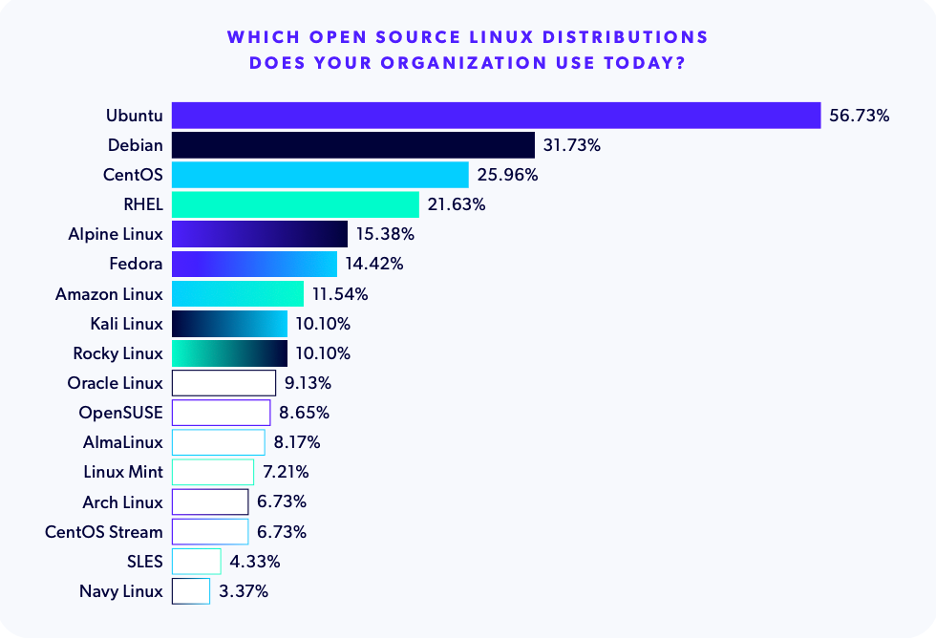
Begin by selecting a distribution that aligns with your goals. For beginners, Ubuntu or Linux Mint offer stability and extensive community support. Advanced users seeking granular control should consider Arch Linux or Alpine Linux. Install the OS on a dedicated machine or within a virtual environment to isolate your testing ground.

Implement a strict firewall using UFW or firewalld. Disable root login via SSH and enforce key-based authentication. Regularly update your package manager and audit installed services to minimize the attack surface. These baseline configurations are non-negotiable for any secure environment.

Python remains the dominant language for scripting, automation, and cybersecurity tooling. Focus on mastering file I/O, network sockets, and data parsing libraries. Build small automation scripts to reinforce syntax and logic before moving to complex frameworks or machine learning libraries.
Create a self-contained network using virtualization software like VirtualBox or Proxmox. Deploy vulnerable targets like Metasploitable to practice penetration testing safely. This isolated environment allows you to experiment with breaking and fixing systems without risking production data or legal consequences.


As an Amazon Associate, we may earn from qualifying purchases.
No comments yet. Be the first to share your thoughts!