

Start with techy
Start Techy with the constraint that matters most in real life: space, timing, budget, skill level, maintenance, or availability. That first constraint should shape the rest of the plan instead of appearing as an afterthought. Keep the first pass simple enough to verify. Compare the main options against the same criteria, remove choices that only work in ideal conditions, and save optional upgrades for later.
The simplest way to use this section is to keep the setup small, verify each change, and record the stable configuration before adding optional accessories.
5 2026 guide Techy: Top 5 Linux Distros for Cybersecurity Pros and Network Managers
For cybersecurity pros and network managers in 2026, choosing the right Linux distro hinges on specific tooling, kernel stability, and package availability. We evaluated five distributions that balance offensive security suites with robust network management capabilities, focusing on practical deployment over abstract features.
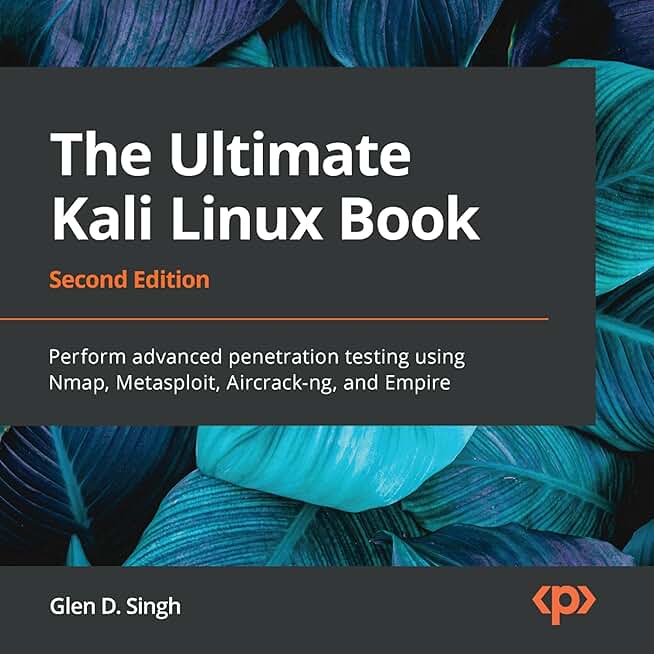
1. Kali Linux for offensive security testing
Kali Linux remains the industry standard for penetration testing, offering an extensive repository of pre-installed tools for vulnerability assessment. Its recent updates enhance usability without sacrificing the depth required for complex offensive operations.
2. Parrot Security OS for privacy and coding
Parrot Security OS balances offensive capabilities with a lightweight desktop environment, making it ideal for developers who prioritize privacy. Its MATE desktop ensures smooth performance on older hardware while providing essential cryptographic tools.

3. BlackArch Linux for advanced penetration testing
BlackArch Linux caters to experienced professionals by offering over 2,800 specialized tools in its repository. It is designed as a rolling release distribution, ensuring access to the latest exploits and security utilities without frequent major upgrades.

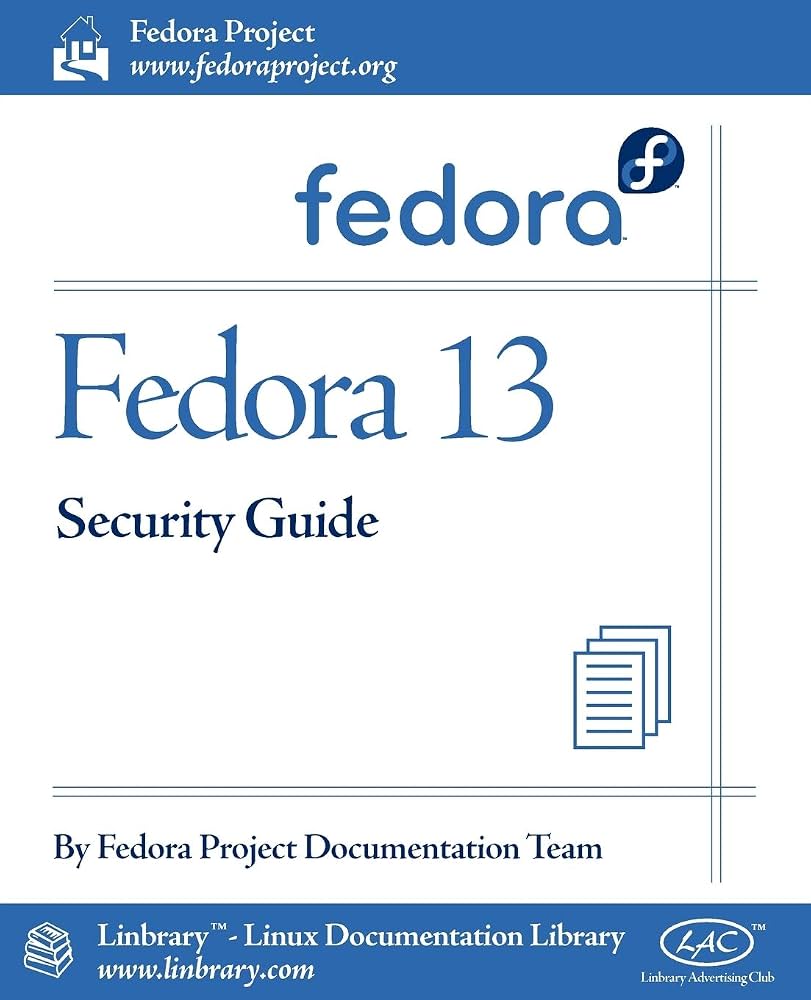
4. Fedora Security Lab for network analysis
Fedora Security Lab provides a robust environment for network forensics and security auditing, leveraging Fedora’s stable base. It includes specialized tools for packet analysis and system hardening, making it suitable for network managers needing reliable diagnostic capabilities.
5. Tsurugi Linux for digital forensics
Tsurugi Linux is a Debian-based distribution specifically tailored for digital forensics and incident response. It includes a comprehensive suite of forensic tools for disk imaging, memory analysis, and evidence preservation, ensuring chain-of-custody integrity.
Pick the right fit
Choosing a Linux distribution for cybersecurity or network management isn't about finding the "best" OS—it's about matching the tool to your specific workflow. The right distro should reduce friction during incident response, streamline vulnerability scanning, and integrate smoothly with your existing network infrastructure.
Use this framework to narrow down your options before committing to a primary workstation or server environment.
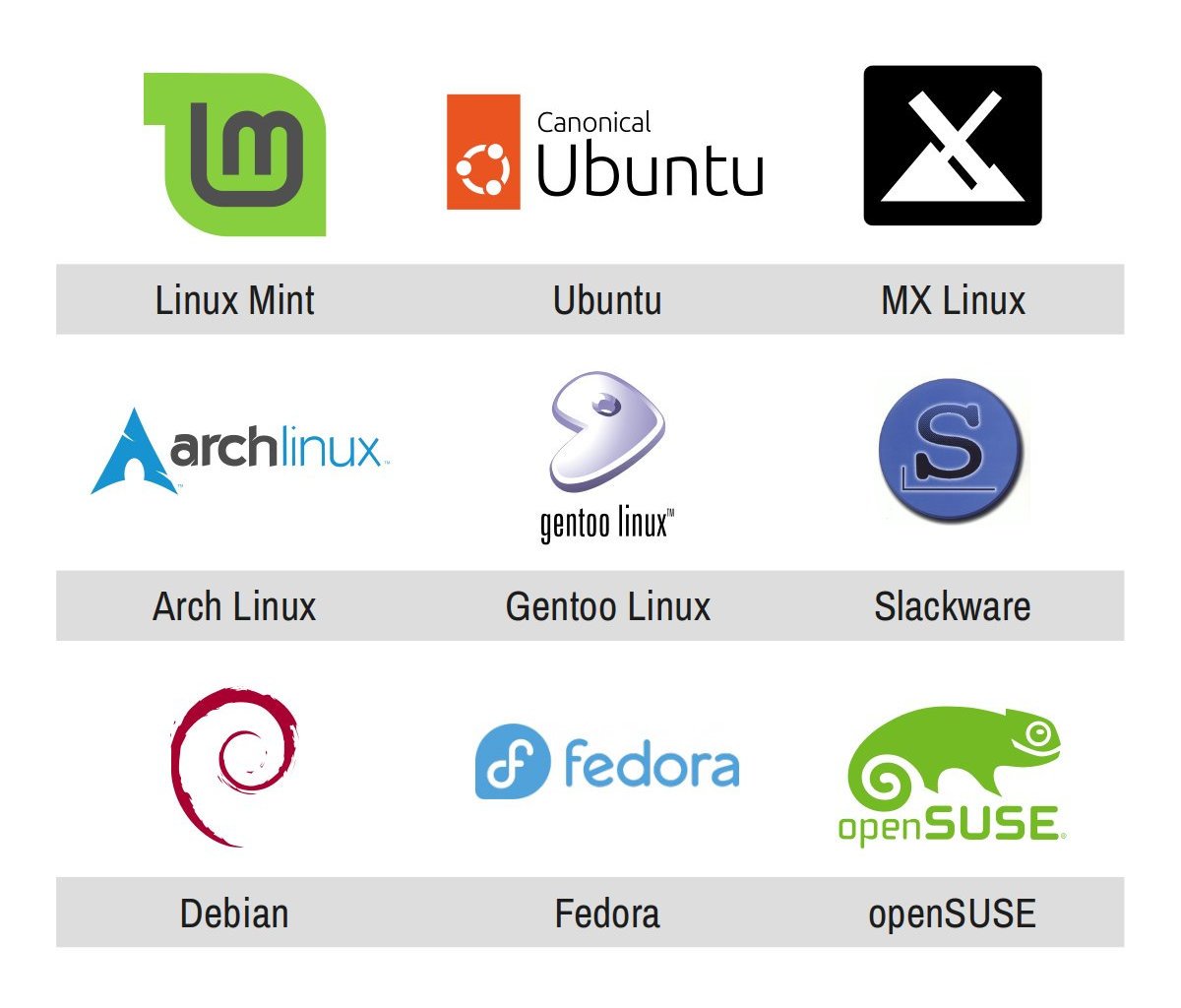
If you are new to Linux security tools, start with Ubuntu-based distributions like Kali Linux or Parrot OS. They offer extensive documentation, large community support, and pre-installed toolsets that reduce setup time. Experienced sysadmins might prefer Arch-based or minimal builds for granular control over the kernel and networking stack.
Network managers often work with legacy hardware or specialized NICs. Check if your target distro supports your specific wireless cards and USB adapters out-of-the-box. Distributions like Tails or Whonix prioritize privacy but may require more manual driver configuration for older hardware compared to mainstream options.
Ensure the distro's package repository includes the specific security tools you rely on, such as Wireshark, Nmap, or Burp Suite. Some distros offer curated versions of these tools, while others require manual compilation. Regular updates are critical for maintaining the integrity of security patches and tool signatures.
| Distribution | Best For | Learning Curve |
|---|---|---|
| Kali Linux | Penetration testing | Medium |
| Parrot OS | Privacy & development | Easy |
| Tails | Anonymous browsing | Hard |
| Ubuntu | General networking | Easy |
| Arch Linux | Custom builds | Hard |



As an Amazon Associate, we may earn from qualifying purchases.
A final check: consider the long-term maintenance burden. Distributions with longer support cycles (LTS) reduce the frequency of major upgrades, which is vital for stable network environments. Conversely, rolling-release distros provide the latest tools immediately but may introduce instability during critical operations.
No comments yet. Be the first to share your thoughts!